

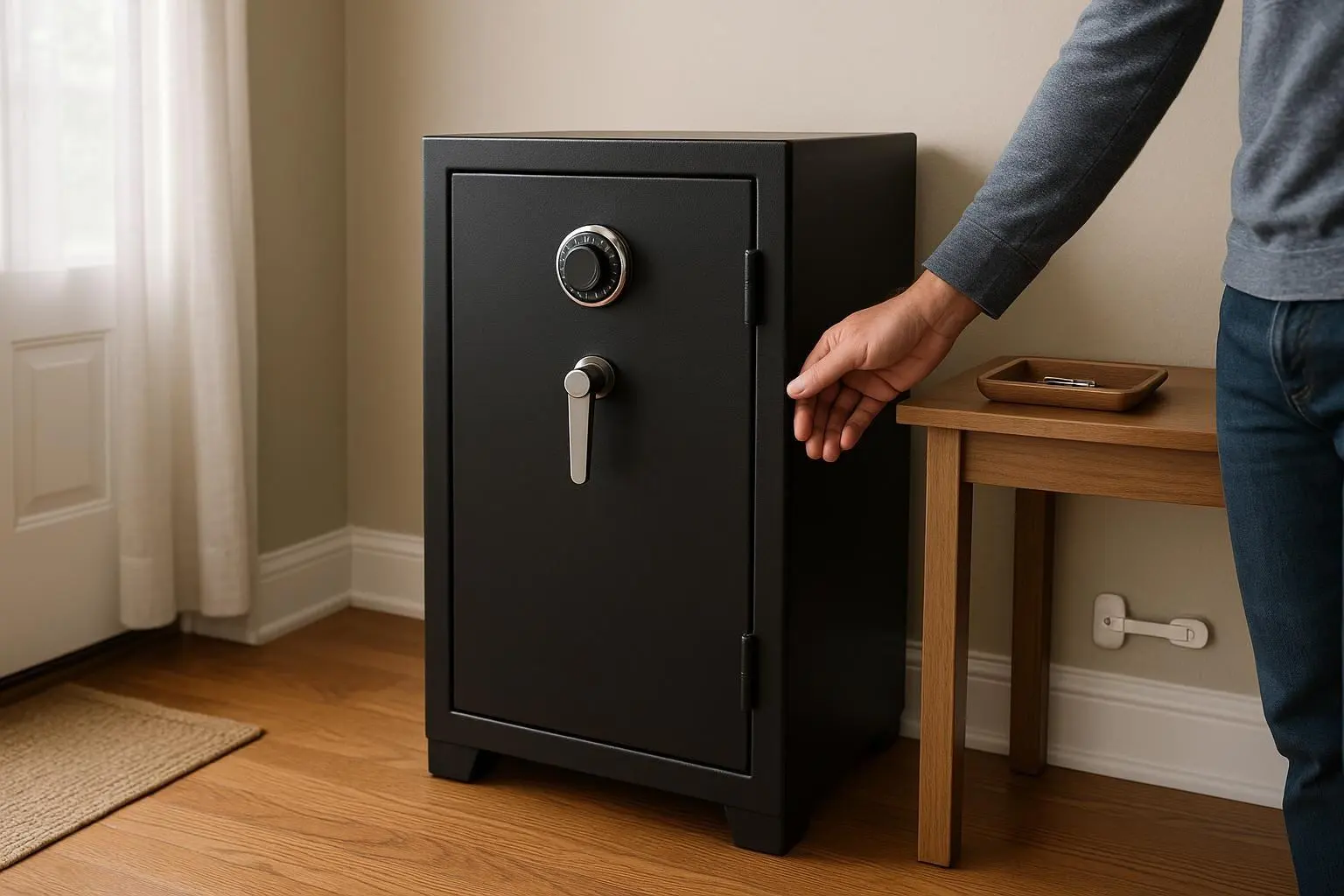
When the Household Changes, Rebuild Your Safe Firearm Storage Plan
Adapting Your Firearm Storage Strategy for Household Changes
In a home that changes your way of storing your firearm must change too. What used to feel safe might suddenly become a danger when a child starts to walk a new person moves in or more people come into your house regularly. Even if your firearm is locked up the way people access it-like who has keys or codes and whether daily habits stay the same-can affect safety. It is very important to think about who might come across your firearm and how reliable the people in your home're at keeping it safe.
Identify Who Can Access Your Firearm
Before you think about the storage equipment you have take a step back and make a list of people who might come into your home. This includes children, family members, visitors and people who come to your house for work. A child's curiosity, a guest's action or a person who forgets things could cause a bad situation. You are not trying to blame anyone just to see where problems could happen.
Think about your keys and codes carefully. A key that is easy to find a code that is shared or a note with the code on your phone could break the best lock. If someone needs to get to the firearm for a reason decide when and why they need it and how you will take that access away later. Each situation has its things to think about.
Check with officials for the latest rules about storing firearms. Using information can be dangerous.
Choosing the Right Storage Solution
Picking a storage box is not about weight or cost. Depending on your home you might choose a case, a lockbox or a strong safe. Think about where it will be placed if it can be fixed to the wall or floor so it can't be taken and who can actually reach it.
For example a safe in a closet might be safe from visitors. Still be available to people in the home. A smaller box in a place where only certain people go might limit who handles it. Keys or codes could become a problem. Mechanical locks are usually safer because they don't need batteries while electronic locks offer ways to control access but need regular care. Think about what happens if the batteries run out or the lock breaks and always follow the makers instructions.
Don't change your storage unit in a way that makes it less safe. If the lock or box is broken or not working be careful until you can fix or replace it.
Balancing Security with Accessibility
It's easy to let convenience take over especially if you might need your firearm quickly. But any firearm left out-on a nightstand in a drawer or in a bag-is no longer stored safely. The rule is simple: Always lock your firearm when it is not being held by an adult. Follow the makers instructions. Keep the firearm separate from bullets if that helps.
If you need access practice getting the firearm with an empty one. This helps people know how to get to it without confusion or stress-because a plan that only works when things are calm isn't safe.
Regularly Reevaluate Your Security Plan
Changes in your life can change the risk of how you store your firearm. A new person in your home a child visiting a guest with access or a temporary permission could make things risky. Also changes in relationships or mental health issues mean you need to look at your plans
After any change ask yourself questions:
– Who has access now and who might get it by accident?
– Is there anyone who could copy a key or find a code?
– Are you locking it up after every time you use it?
– Is the storage place set up to reduce chances of being touched or damaged?
– Can the people who are allowed to get it explain the plan without opening the box?
– Have there been any changes in the rules or instructions that you need to follow?
These questions can help you decide. You should also use your own judgment and check your ideas often.
Establishing a Reliable Routine
Making a habit around storing your firearm is very important for safety. Choose a place that is always used and always put the firearm there after you use it. Losing keys or leaving the firearm in a place even for a short time is a risk.
Check the storage box and all parts like locks and hinges often. Change batteries before they run out and have a way to get to it quickly if needed. Fix any problems with the place where you store your firearm like humidity, dust or heat so it stays in condition.
Assessing the Fit of Your Storage Plan
In the end your plan for storing your firearm should answer three questions: Who is allowed to have access? Where is the firearm kept? What happens if something goes wrong? If the answers rely on guessing, a key or a code that many people know then you need to make changes.
Keeping firearms safely is a never-ending process of controlling who can get them checking how well the system works and changing as your home changes. Review your ways based on the advice and remember that a simple easy plan is usually better, than a complicated one.