

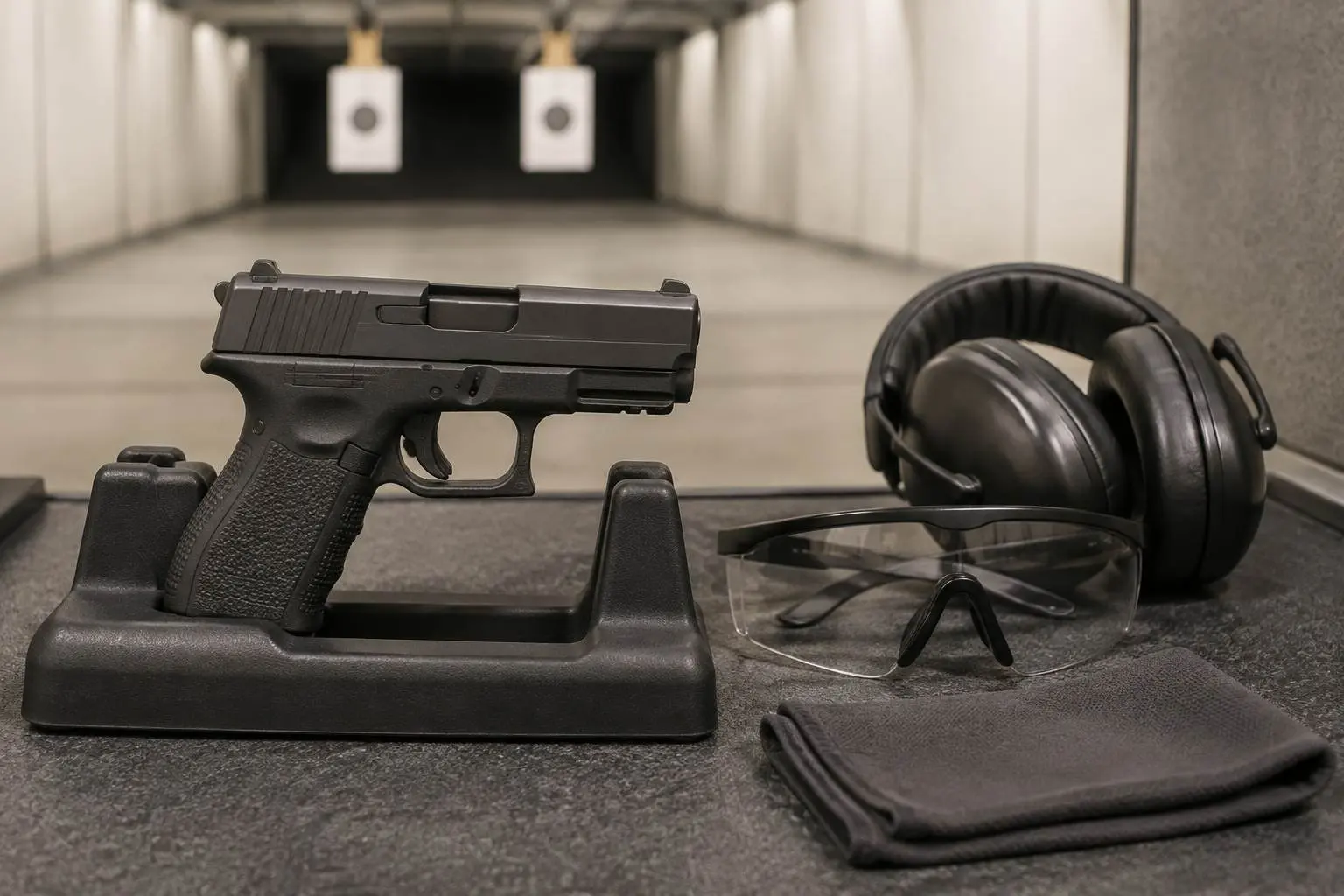
The Pre-Range Inspection Routine That Prevents Avoidable Problems: A Smarter Way to Prepare
A range trip can go wrong before the first shot is fired: a case is missing a manual is not there a battery is dead. A firearm shows a problem that should have been found at home. A careful pre-range check stops delays. Importantly keeps a problem firearm out of use. The goal is a process that tells the difference, between preparation and problems that need help from a professional.
Start with a safe controlled inspection area
Check the firearm before putting it in the case in a place where there are not interruptions. Keep the ammo away from the inspection area follow the manufacturers safety steps and handle the firearm only as the manual says. If you are not sure how to check it stop and look at the manual or talk to a professional of guessing.
Treat the firearm as if it is loaded until you know for sure it is not using the right steps. Keep the muzzle pointing in a direction keep your finger from the trigger and never use a safety switch instead of being careful.
Give time for a firearm, a used one you just bought or one with new parts. Read the manual before going to the range. Wait to shoot if the controls, how to take it apart or the ammo is not clear.
Check condition before looks
The first check is about function and clear dangers not about making it shine. Look for cracks changes in shape, loose parts, strange rust, broken sights, blocked holes or anything not in place. Make sure the parts you can see are tight without forcing them. Anything that feels loose rough or different needs attention.
Do not fix a problem by filing, bending, drilling or putting in a part that has not been checked. Doing this can hide the problem. If a part is broken a safety feature acts strange. The gun was dropped or got wet stop the trip and ask the manufacturer or a professional for help.
A clean look does not mean the firearm is safe and normal dirt does not mean it is not safe. Check against what the manufacturer says about care and using it. If you are not sure do not use the range to test it.
Use the manual to guide cleaning
Cleaning should match the model. Manuals often tell what cleaning methods are allowed, where to put oil, when to check what ammo to use and what parts the owner should not take apart. Follow these instructions of what you see in videos, forums or labels.
For a trip keep cleaning simple: remove dirt as the manual says, check for damage and use only the oil and amount the manual recommends. Much oil can bring in dirt. Move to the wrong place. Wrong cleaner or method can harm finishes, seals, optics or other parts.
A barrel or other passage must be clear before shooting. Check it the way the manufacturer says. If you can't check it safely. If something is stuck stop. Never fire a round to clear a blockage; get help from a professional.
Pack the gear that helps make choices
Range preparation is more than putting a gun in a bag. Pack the transport according to rules and the ranges policies along with the manual, eye and ear protection the right ammo, targets if needed and basic cleaning tools. Make sure the ammo matches the gun and the manufacturers rules; do not trust a label or your memory.
A simple list stops rushing to replace things. Check batteries for sights or lights make magazines and other parts match and look for loose ammo or broken containers. If you are borrowing gear know who is responsible for its condition and make sure you are shown how to use it
Local laws, transport rules, storage rules and range policies can change. Check the information from sources and the range before going. General safety tips can't take the place of the rules where you live or where you plan to shoot.
Know when the check should stop the trip
The part of a safety list is the decision to stop. Do not go forward if you find a blockage, a cracked or broken part parts that're not right, a control that does not work, ammo or if you are not sure about the guns condition. Missing a session is a hassle; solving a problem during fire is a risk you can avoid.
This decision matters when buying too. For a gun make sure the manual, safety info and needed parts are there before you plan. For a gun the condition, service history parts you can get and access to a check may be more important than looks. If a seller does not want you to check it properly that is a warning. Walk away of taking on a problem you don't know about.
Keep one list by the bag
A short list helps you remember without making preparation a habit. Change it to fit the gun and the place:
– Read the instructions for the gun.
– Check in a place keeping ammo away from the check.
– Make sure the gun is safe using the right steps and safe habits.
– Look for damage, rust, blockages, loose parts or strange controls.
– do the cleaning the manufacturer says.
– Make sure ammo and parts match the guns rules.
– Pack safe transport, eye and ear protection, the manual and supplies.
– Check the latest rules and the ranges policies.
– Stop. Get help if anything is not right.
The routine should get quicker, with practice. Never so fast that it becomes careless. Safe gun ownership often comes down to choices made before pressure to keep going: separating ammo checking the manual not trying to fix things on your own and leaving a problem gun alone. That is the value of a -range check: it makes the safer choice easier to see before the trip starts.